Wedding flowers Clapham North budget case study
Posted on 25/10/2026
If you are planning wedding flowers in Clapham North and trying to keep the numbers sensible, you are in very normal company. Most couples want that soft, polished, photo-ready look without watching the budget disappear in a cloud of peonies and panic. This Wedding flowers Clapham North budget case study looks at how to think about floral priorities, where to save, where not to cut corners, and how to make the whole process feel calm rather than chaotic. The aim here is simple: help you get a beautiful result that suits a real wedding day, not a fantasy one.
Clapham North has its own practical rhythm. Venues can be compact, timings can be tight, and transport around SW4 is not always the friendliest if you have deliveries arriving at the same moment as hair and make-up. So the budget conversation is not just about price. It is about shape, scale, season, logistics, and where your flowers do the most visual work. Let's get into it properly.
Table of Contents
- Why Wedding flowers Clapham North budget case study Matters
- How Wedding flowers Clapham North budget case study Works
- Key Benefits and Practical Advantages
- Who This Is For and When It Makes Sense
- Step-by-Step Guidance
- Expert Tips for Better Results
- Common Mistakes to Avoid
- Tools, Resources and Recommendations
- Law, Compliance, Standards, or Best Practice
- Options, Methods, or Comparison Table
- Case Study or Real-World Example
- Practical Checklist
- Conclusion
- Frequently Asked Questions
Why Wedding flowers Clapham North budget case study Matters
A wedding flower budget is one of those things that can look straightforward on a spreadsheet and then become a bit slippery in real life. One bouquet turns into three. One table arrangement becomes eight. Add buttonholes, ceremony flowers, flowers for photos, and suddenly the budget is working harder than anyone expected. That is exactly why a localised budget case study matters: it shows how decisions play out in a specific setting, with real constraints.
In Clapham North, budget planning is especially useful because weddings here often combine city practicality with stylish expectations. You may be aiming for a relaxed restaurant reception, a small civil ceremony, or a bigger celebration with a carefully dressed room. Different venue types ask for different floral strategies. A high-impact entry arrangement can do more than lots of smaller pieces. A few well-chosen focal points can make the room feel finished without overbuying.
And truth be told, many couples start with the wrong question. They ask, "How much do wedding flowers cost?" when the more useful question is, "What should my budget do for the day?" That shift changes everything. It helps you spend on the moments people actually see: the bouquet in the bride's hands, the ceremony table, the top table, and the photographs that will stay around for years.
There is also a trust element here. A budget case study gives you a clearer sense of how a florist might think, what trade-offs are normal, and where flexibility helps. You do not want vague promises. You want a plan that makes sense from first consultation to final delivery, especially in a busy London area where timing can be tight and everyone is trying to get the room ready at once. A quick detour through the florist's general about us page can also help you judge style, tone, and whether they seem like the sort of team you want on a wedding day.
How Wedding flowers Clapham North budget case study Works
A good budget case study is not just a list of items. It is a way of thinking. You start by identifying what matters most, then you shape the design around those priorities. In wedding floristry, the usual first question is whether the couple wants a statement bouquet-led look, a ceremony-led look, or a reception-led look. That answer guides everything else.
Most budget planning follows a simple pattern:
- Set the overall spend range. Decide the ceiling first. A florist can work far more effectively when they know the limit.
- Choose your hero pieces. These are the items that matter most visually, usually the bridal bouquet and ceremony flowers.
- Reduce duplication. If the ceremony flowers can later be moved to the reception, that is money working twice.
- Pick seasonal flowers. Seasonal blooms are often more practical and can deliver a fuller look for less waste.
- Use structure wisely. Greenery, foliage, and the right vessels can create volume without over-ordering expensive stems.
- Confirm delivery and setup details. In London, logistical clarity matters just as much as the flowers themselves.
In a Clapham North context, the florist also needs to think about access, parking, narrow loading windows, and how quickly flowers can be moved into place. It sounds boring, I know. But this is the stuff that stops a wedding morning from getting messy. You do not want a beautiful bouquet arriving warm and tired after sitting in a van longer than it should have. Timing matters. A lot.
A budget case study also shows how floral categories behave differently. A bridal bouquet is often the highest emotional priority. Bridesmaid bouquets can be scaled down elegantly. Buttonholes and corsages are small, but they add up faster than people expect. Table arrangements are where design choices can really affect cost, because a little height and structure can change the whole feel of a room.
If you are comparing product ranges, it can help to browse wedding-specific options such as wedding flowers collections and see how the components are grouped. You may also notice that a fuller collection can be more cost-efficient than building every piece separately, depending on the look you want.
Key Benefits and Practical Advantages
The biggest benefit of planning wedding flowers through a budget case study is control. Not control in a rigid, joyless sense. More like clarity. You can see where the money goes and why. That makes the whole process less stressful and, honestly, a bit more enjoyable. Once the practical bits are settled, you can focus on colour, texture, and the mood you want your guests to feel when they walk in.
Here are the practical advantages couples usually notice:
- Better value: You spend on the pieces with the most visual impact.
- Less waste: Every arrangement has a purpose, and some can be repurposed later in the day.
- More confident choices: You are less likely to make rushed decisions based on pretty pictures alone.
- Clearer communication: It becomes easier to brief a florist when you already know your priorities.
- Smarter seasonal selection: You can use flowers that are more readily available and suited to the time of year.
- Smoother logistics: Budget planning often forces delivery and setup details into the open early, which is a good thing.
There is also an emotional benefit that tends to be underestimated. When the floral plan is sensible, the day feels calmer. You are not second-guessing whether you overspent on arrangements no one will really see. You are not mentally doing sums in the middle of your vows. Nice flowers, yes. But also peace of mind. That matters more than people admit.
For couples trying to keep things restrained without making the wedding feel sparse, a few well-chosen products can help shape the style. For example, a cheap flowers selection can be useful as a starting point for understanding what budget-friendly design still looks like, while a more polished range such as luxury flowers can show the difference in fullness, stem choice, and finish. That contrast is helpful when you are deciding where to place your money.
Who This Is For and When It Makes Sense
This approach is for anyone who wants wedding flowers that feel intentional rather than improvised. It is especially useful if your venue is in or around Clapham North and you want the flowers to suit the space, not fight it. Small venues, modest guest counts, and venue turnaround times all make budgeting more important.
You will probably find this helpful if you are:
- planning a civil ceremony or intimate wedding in SW4
- working with a fixed floral budget and need to prioritise wisely
- trying to understand what is realistically possible for your spend
- wanting a stylish look without too many separate arrangements
- preparing for a venue where setup time is limited
- balancing wedding flowers with other big costs like catering, photography, or hire items
It also makes sense if you are the sort of couple who likes decisions backed by reasoning. Not everyone wants a mood board and a hope. Some people want to know what the bouquet will do in photos, how the table flowers will sit with the room, and whether the buttonholes need to match the bouquet exactly. Fair enough. That is not being fussy. That is being practical.
Sometimes families are involved in the floral spend too, which can make the conversation even more useful. A case study style plan helps everyone understand the trade-offs. For instance, if there is room for one larger ceremony piece but not twelve smaller extras, the group can make that decision with less back-and-forth. Less noise, more clarity. Beautiful.
Step-by-Step Guidance
Here is a sensible way to approach wedding flowers for a Clapham North budget, without overcomplicating it.
1. Decide the floral role in your wedding
Start by asking what the flowers need to do. Do they need to frame a ceremony? Fill a small reception room? Carry the colour palette? Support a classic white-and-green look? The answer changes the whole structure of the order. If the bouquet is the star, spend there. If the venue needs more atmosphere, direct funds to larger arrangements or focal displays.
2. Choose a style before you choose stems
It is tempting to choose flowers by name first. Roses, hydrangeas, lilies, lisianthus, and the like all have their place, but style comes first. Do you want loose and airy, compact and modern, romantic and full, or simple and elegant? Once you know that, the flower list becomes much easier to edit. A florist can help you refine the look using ranges such as bridal bouquets and bridesmaid bouquets to match the mood you are after.
3. Match the bouquet to the venue
A bouquet that looks perfect in a country house may feel too heavy in a compact Clapham North space. Likewise, tiny arrangements can disappear in a room with higher ceilings or strong lighting. Scale matters. You want the flowers to sit comfortably in the environment, not shout at it.
4. Build a simple item list
A practical list might include:
- bridal bouquet
- bridesmaid bouquets
- buttonholes
- corsages, if needed
- ceremony arrangement or pedestal flowers
- table arrangements
- any floral features for photos or signing table styling
Do not add items just because they sound lovely. Lovely is not a strategy. Sorry, but it is true.
5. Ask what can be reused
One of the smartest budget moves is to ask whether the ceremony flowers can be repurposed at the reception. A good florist will tell you honestly when that works and when it does not. If the church, ceremony room, or registrar setup is short-lived, repurposing can be a strong value play. If the placement is complicated, it may be better to keep the design simple.
6. Confirm practical delivery details early
In London, delivery windows matter. Confirm when flowers will arrive, who will receive them, where they will be placed, and whether you need the florist to handle setup. If the day is split across multiple addresses, plan that out early. This is especially helpful if you are using a local service like delivery information to understand timing expectations.
7. Keep a small contingency
Even a careful floral plan benefits from a buffer. You may decide to add a few extra stems, a second buttonhole set, or a small table piece if the budget allows. That small flexibility can be useful if the guest count changes or if the final venue layout needs a tweak. Small margin, big calm.
Expert Tips for Better Results
After looking at enough wedding flower plans, a few patterns become very clear. The couples who end up happiest are usually the ones who prioritise the whole picture instead of chasing individual flower names.
Start with one strong focal point. In many budget-conscious weddings, a well-made bridal bouquet is the emotional and visual anchor. It appears in most photographs, and it tends to set the tone for the rest of the flowers.
Use colour cleverly. If you keep the palette tight, even modest arrangements look more coordinated. White, blush, green, and soft purple can be very effective, but the right mix depends on dress colour, venue light, and the season.
Do not ignore foliage. Good foliage adds shape, texture, and movement. It can make arrangements look fuller without forcing the budget into expensive stem choices. A little texture goes a long way. Actually, quite a long way.
Ask for flexibility on exact stems. If you fall in love with one specific bloom, the budget can suddenly tighten. Being open to flower alternatives is one of the easiest ways to preserve the look while keeping spend sensible.
Let the venue guide the scale. A small venue often benefits from fewer, better-placed arrangements. A bigger room may need more repetition, or one or two larger displays that anchor the space. Neither is wrong. It just depends.
Check the florist's wedding range in advance. A local shop that offers dedicated wedding products, like table arrangements and buttonholes, can often make the planning process much smoother because the items are already designed to work together.
A small human moment here: one of the easiest ways to calm a wedding-planning panic is to put the flowers on one page and then step away for ten minutes. Tea helps. Always tea. When you come back, you usually see more clearly what is essential and what is just noise.
Common Mistakes to Avoid
Budget flower planning goes off-track in fairly predictable ways. Nothing dramatic. Just small decisions that quietly add cost or reduce impact.
- Trying to include every idea. A budget needs focus. If everything is a priority, nothing is.
- Choosing flowers before setting the budget. That route usually leads to disappointment or overspend.
- Ignoring setup logistics. Delivery, storage, and placement can affect the final result more than people think.
- Over-ordering small items. Buttonholes, corsages, and mini arrangements are easy to underestimate.
- Choosing rare blooms for a tight budget. They may look beautiful, but they can crowd out the rest of the design.
- Forgetting the venue style. What works in one space can look oddly empty or crowded in another.
- Leaving decisions too late. The later you book, the fewer options you may have for timing and flower selection.
One mistake I see quite often is couples assuming the cheapest option is the best option. Not necessarily. If a slightly larger bouquet creates better photographs and needs less extra styling elsewhere, it can actually be better value overall. The cheapest line item is not always the cheapest outcome.
Another one: not asking about product care. If you want flowers to hold up through a warm ceremony room and a longer reception, you need to think about freshness and handling. That is where a proper flower care guide is useful, even if you only glance at it. It helps you understand how to keep arrangements looking their best on the day.
Tools, Resources and Recommendations
You do not need specialist software to plan wedding flowers well, but a few simple tools make the process easier.
- A shared notes app or spreadsheet: useful for listing items, quantities, and must-haves.
- Venue photos: ideally taken in daylight and from a few angles.
- Colour references: dress fabric swatches, invitation colours, or even a clear phone photo.
- Guest and table counts: so you know how many floral pieces are genuinely required.
- Delivery and access notes: especially important in London settings.
As for website resources, a few pages can be especially useful when you are narrowing things down. The main wedding flowers page is the obvious starting point for understanding the local wedding range. The general florist service page is useful if you want to understand the broader offering. And if you are comparing value options across the site, the budget collection can help you see how affordability is handled without losing the overall finish.
You may also find it helpful to compare occasion ranges such as florist choice or browse the wider all flowers range for style inspiration. Even if you are not ordering those exact items, they can show how the florist balances colour, volume, and presentation.
Law, Compliance, Standards, or Best Practice
Wedding flowers are not a heavily regulated purchase in the way some services are, but there are still sensible standards and best practices worth keeping in mind. In the UK, the key issues are usually commercial clarity, consumer fairness, and practical delivery expectations. That means clear pricing, clear product descriptions, fair terms, and realistic timelines.
For a wedding order, the best practice is straightforward:
- ask for a clear written summary of what is included
- confirm any substitution policy if a particular flower is unavailable
- check delivery timing and set-up responsibilities
- understand payment terms before committing
- read the returns or cancellation approach carefully for custom work
Wedding floristry is often bespoke or semi-bespoke, so it is especially important to know what happens if plans change. Venue timings shift. Guest numbers move. Weather can affect transport and setup. None of this is unusual, but it is wise to ask the questions early. A page such as terms and conditions helps set expectations, while returns and refund guidance can clarify how custom orders are handled.
If sustainability matters to you, it is also worth checking the florist's approach to sourcing, packaging, and waste reduction. A wedding can still feel luxurious while being thoughtful about materials. That is not a contradiction. It is just good practice.
Options, Methods, or Comparison Table
One of the most helpful ways to think about wedding flowers on a budget is to compare different methods of spending, not just different flowers. The table below gives a simple practical comparison.
| Approach | Best for | Strengths | Watch-outs |
|---|---|---|---|
| Hero bouquet plus minimal extras | Very tight budgets or intimate ceremonies | Strong visual focus, simpler planning | May feel sparse if the venue is large |
| Balanced ceremony and reception plan | Most city weddings | Good coverage, flexible styling, sensible value | Needs careful item selection to avoid duplication |
| Reception-led floral styling | Dining-focused celebrations | Tables feel polished and complete | Ceremony area may need separate attention |
| Full wedding collection | Couples wanting a cohesive, premium look | Easy coordination, less guesswork | Costs more if every item is included without review |
For many Clapham North weddings, the balanced plan is the sweet spot. It gives you enough floral presence to make the day feel dressed without forcing the budget into unnecessary extras. That said, if the ceremony is tiny and the reception is the main event, a reception-led approach may be the smarter choice. The best option is the one that supports the structure of your day.
Case Study or Real-World Example
Here is a realistic budget case study example based on a typical Clapham North wedding brief. No invented statistics, no magic numbers. Just the sort of decision-making couples actually face.
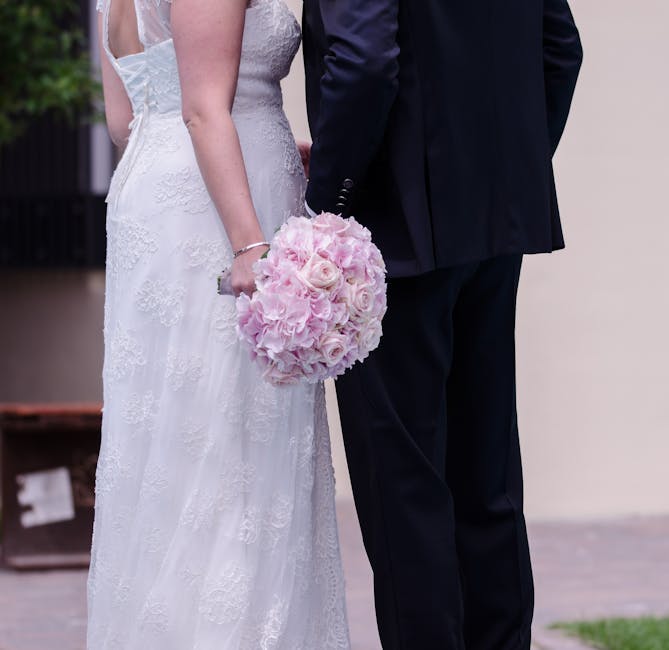
Brief: A couple wants a modern, romantic wedding with soft whites, a little blush, and greenery. The ceremony is small, the reception is in a local venue, and the couple wants the flowers to look elegant in photos without feeling overdone. Their main priorities are the bridal bouquet, a couple of visual focal points, and enough table flowers to make the room feel finished.
Budget approach:
- spend most on the bridal bouquet
- use simpler bridesmaid bouquets
- keep buttonholes coordinated but minimal
- choose one ceremony arrangement that can be moved to the reception
- style the tables with smaller arrangements rather than many large ones
Why this works: The bouquet appears in nearly every meaningful photo, so it deserves a proper share of the budget. The ceremony arrangement gives the vows a focal point and then does double duty at the reception. The tables feel dressed, but not crowded. The overall effect is calm, cohesive, and photogenic.
There is a very human moment in this kind of planning: couples often relax once they see the order stop trying to do everything. It becomes clearer. A few strong pieces beat a dozen half-useful ones. Every time, almost.
In practical terms, the flower mix might include roses, lisianthus, hydrangea, or other seasonal stems that support the palette. A florist can suggest substitutes if a particular bloom is awkwardly priced or not in the best condition. If the couple likes a softer romantic tone, a curated collection such as true happiness wedding collection or pure romance wedding collection may be a useful visual reference. The point is not to copy a package blindly. It is to use the structure intelligently.
Practical Checklist
Use this checklist to keep your wedding flower plan on track.
- Set a realistic overall budget before choosing flowers
- Decide the main visual priority for the day
- Confirm venue style, room size, and access details
- Choose a palette that suits the dress and setting
- List every item you actually need
- Mark which items can be reused later in the day
- Ask about seasonal alternatives
- Check delivery timing and responsibility for setup
- Confirm payment terms and substitution policy
- Review the final plan before the event week
If you can tick off those points, you are in a strong position. Not perfect, just strong. And that is usually enough to get beautiful results without the stress spiral.
Conclusion
A well-planned Wedding flowers Clapham North budget case study is really about making the day feel special without spending blindly. When you decide what matters most, match the scale to the venue, and keep the floral plan focused, you give yourself a better chance of getting flowers that look lovely in the room and even better in the photos. That is the sweet spot.
The nicest wedding flower plans are rarely the most complicated. They are the ones that feel considered. A bouquet that fits the dress. Table arrangements that fit the room. Delivery that arrives when it should. Simple enough on paper, but all the better when it comes together properly. If you take one thing from this guide, let it be this: spend with intention, not just enthusiasm.
Get a free quote today and see how much you can save.
And if you are still at the "fifty ideas, one budget" stage, that is absolutely fine. Start with the essentials, breathe out, and build from there. The right flowers have a way of making everything feel a little more certain.
Frequently Asked Questions
How much should I budget for wedding flowers in Clapham North?
The right budget depends on guest count, venue size, and how many floral pieces you want on the day. A small, focused plan can work well if you prioritise the bouquet and one or two statement areas. A fuller styling plan needs more room in the budget. The key is to define what the flowers must do before you choose specific stems.
What flowers give the best value for a wedding bouquet?
Flowers that are seasonal, sturdy, and visually full often give better value. Roses, alstroemeria, carnations, lisianthus, and mixed seasonal stems can create a polished bouquet without overcomplicating the design. The best choice depends on the palette and style, though. Value is not just about price; it is about the final look.
Can wedding flowers be reused from the ceremony at the reception?
Yes, often they can. This is one of the smartest budget moves if the venue layout allows it. Ceremony arrangements can be repositioned for the top table, entrance, or dining space after the vows. A florist should tell you honestly whether the design and timing make reuse practical.
Are budget wedding flowers still elegant?
Absolutely. Budget does not automatically mean basic. Elegance usually comes from colour control, good proportions, and sensible styling rather than from expensive stems alone. A well-edited arrangement can look more refined than a crowded one with too many competing flowers.
What should I prioritise first if I am on a tight budget?
Start with the bridal bouquet, then decide whether you need a ceremony focal point or reception table flowers most. Once those are defined, add smaller items like buttonholes and corsages if the budget allows. It is better to do a few things properly than to spread the budget too thinly.
How far in advance should I book wedding flowers?
Earlier is usually better, especially for popular wedding dates or if you want a specific style. Booking ahead also gives you more time to refine the brief, compare options, and sort logistics. That said, some florists can still help with shorter lead times depending on availability.
Do I need to match all my wedding flowers exactly?
No, and in many cases it is better not to. A cohesive palette usually matters more than identical flowers everywhere. The bridal bouquet can be fuller and more detailed, while bridesmaid bouquets, buttonholes, and table arrangements can be simplified but still feel connected.
What if my preferred flowers are not in season?
A good florist can usually suggest substitutes that keep the look and colour mood intact. This is often a smarter budget choice too, because in-season flowers are typically easier to source and style. Being flexible here can save money and reduce stress.
How do I make small wedding flowers look fuller?
Use a tighter palette, combine textures, and lean on greenery or foliage for shape. The right vessel or hand-tied structure also helps. Small arrangements can look surprisingly luxurious when they are proportioned well and not overloaded with too many different blooms.
Should I choose flowers based on colour or type first?
Usually colour first, then flower type. Colour helps the flowers work with the dress, venue, and overall styling. Once the palette is set, your florist can choose stems that fit the budget and season. That approach tends to make the whole process smoother.
What details should I confirm before placing the order?
Confirm the final item list, delivery timing, setup responsibility, substitution policy, and payment terms. If your wedding has multiple locations, make sure the route and handover points are clear. A little clarity now saves a lot of last-minute messages later.
Can I use a flower delivery service for wedding flowers in SW4?
For some smaller or simpler needs, yes, but wedding flowers usually benefit from a more tailored approach. The timing, handling, and presentation all matter more on a wedding day than on a standard gift order. If you are comparing options, look carefully at the wedding-specific pages rather than assuming a general bouquet service will be enough.