Lambeth Council rules for floral roadside displays in Clapham
Posted on 30/09/2026
Lambeth Council rules for floral roadside displays in Clapham: what you need to know before putting flowers out on the street
If you are planning floral roadside displays in Clapham, the details matter more than most people expect. A neat planter outside a shop, a row of flowers by a cafe, or a decorative display near a frontage can lift a street instantly. But the moment those flowers move from private property to the public highway, Lambeth Council rules can become relevant very quickly. And yes, that includes the everyday stuff people often overlook: where the display sits, whether it narrows the pavement, and whether it could be seen as an obstruction.
This guide breaks the topic down in plain English. You will get a practical overview of how floral roadside displays are usually handled, why the rules matter, what to check before setting anything out, and how to avoid the sort of issue that turns a nice idea into a council complaint. To be fair, a lot of the confusion comes from one simple problem: what looks decorative to you can look like a hazard to someone walking by.
We will also cover best practice, common mistakes, compliance basics, and a few real-world scenarios that come up around Clapham every day. If you are a business owner, resident, event organiser, or florist helping a client, this should give you a much clearer footing.
Expert summary: Floral roadside displays are usually less about the flowers themselves and more about location, safety, access, and permission. If a display touches the public highway, treat it carefully, check the council position, and assume the safest route is always the simplest one.
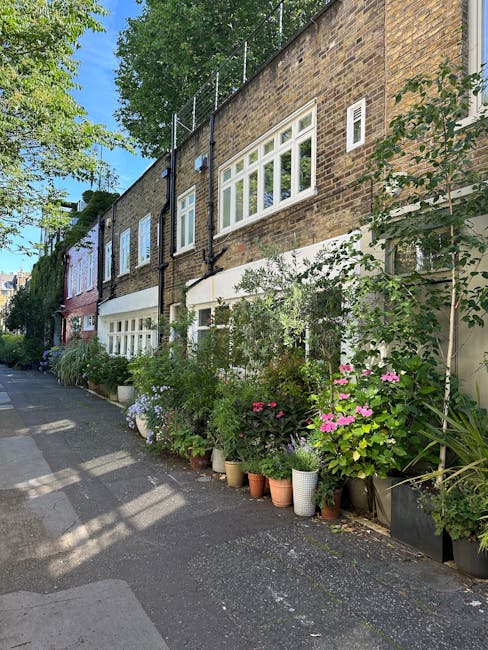
Table of Contents
- Why Lambeth Council rules for floral roadside displays in Clapham matters
- How Lambeth Council rules for floral roadside displays in Clapham works
- Key benefits and practical advantages
- Who this is for and when it makes sense
- Step-by-step guidance
- Expert tips for better results
- Common mistakes to avoid
- Tools, resources and recommendations
- Law, compliance, standards, or best practice
- Options, methods, or comparison table
- Case study or real-world example
- Practical checklist
- Conclusion
- Frequently Asked Questions
Why Lambeth Council rules for floral roadside displays in Clapham Matters
Clapham has a busy, mixed streetscape. You get high footfall, narrow pavements in some spots, parked vehicles, delivery activity, and plenty of people moving at speed between the station, the common, the high street, and side roads. In that setting, even a beautiful display can become a problem if it reduces clear walking space or creates a visual or physical obstacle.
Lambeth Council rules matter because roadside displays sit at the intersection of aesthetics and public use. A floral arrangement outside a shop may be perfectly fine on paper, but if it sits on land that forms part of the highway, the council may treat it as an encroachment or obstruction unless it has been properly agreed. That is the bit people miss. The issue is rarely "flowers" in the abstract. It is usually about whether the display is in the right place, under the right conditions, and with the right level of control.
There is also a wider community angle. Local businesses in Clapham often want streets to feel inviting, especially in spring and summer when everyone notices the frontages more. Fresh planting can soften a hard pavement edge and make a venue feel cared for. But one person's cheerful border can be another person's trip hazard, and councils are generally under pressure to keep routes accessible for wheelchairs, pushchairs, visually impaired pedestrians, and deliveries. Fair enough, really.
If you are trying to balance curb appeal with compliance, the council rules act as the guardrails. They help keep things safe, tidy, and less likely to trigger complaints from neighbours, passers-by, or enforcement teams. That may sound a bit dull, but it is exactly what saves time later.
What tends to cause problems
- Displays placed on pavements without checking ownership or permission
- Large containers that narrow a busy walkway
- Water trays, wire stands, or loose materials that create slip or trip risks
- Items that block sightlines for drivers, cyclists, or pedestrians
- Decorations that overhang the highway or are not secured properly
In short, the prettier the display, the more carefully it should be managed. That's not a contradiction. It's the job.
How Lambeth Council rules for floral roadside displays in Clapham Works
The basic principle is simple: if your floral display stays entirely within private land, you usually have much more freedom. Once it reaches the public pavement, highway edge, or any area used by the public, the rules become more relevant. The council will typically care about public safety, accessibility, and whether the display has permission to be there.
In practice, this usually means looking at four questions:
- Is the display on private property or on the public highway?
- Does it interfere with safe passage for pedestrians and others?
- Is it securely installed and maintained?
- Has permission or agreement been obtained where required?
That sounds straightforward, but the grey areas are where people get caught out. For example, a planter just outside a shopfront may seem harmless, but if it sits on a section of pavement used by lots of pedestrians, it can still be treated as an issue. Likewise, a floral arrangement used for a temporary promotion or celebration may be more acceptable if it is brief, monitored, and set back from the main walking line. The details really do matter.
If you are arranging flowers for a business or event, it can help to think in terms of risk management rather than decoration. Is anyone likely to bump into it? Could it blow over? Will it make the pavement feel cramped during peak times? You can usually answer the compliance question by answering those practical questions first.
And here is the part people often forget: councils do not only look at how something appears on day one. They also care what happens after a week of rain, a windy morning, or a busy Saturday. A display that looks fine when freshly installed can become messy, unstable, or obstructive very quickly. London weather has a talent for testing optimism.
Typical decision points
- Duration: Is the display temporary, seasonal, or permanent?
- Location: Is it well away from the main pedestrian route?
- Size: Does it fit the available space without crowding the pavement?
- Fixing: Can it stay put without becoming a hazard?
- Maintenance: Will someone regularly tidy, water, and inspect it?
If you need flowers delivered for a Clapham display, it also helps to plan your timing around installation and upkeep. Pages like flower delivery in Clapham SW4 and same-day flower delivery in Clapham can be useful when you are working to a tight event window and need the flowers fresh at the right moment.
Key Benefits and Practical Advantages
Following the rules is not just about avoiding trouble. Done well, a compliant floral roadside display can deliver real benefits.
- Better street presence: Flowers make shopfronts and venues feel welcoming and memorable.
- Reduced complaint risk: Clearer space and safer placement mean fewer objections from the public.
- Professional appearance: A tidy, well-managed display signals care and attention.
- Lower enforcement risk: Proper siting and permission reduce the chance of removals or warnings.
- Better longevity: A sensible layout is easier to water, replace, and keep looking fresh.
There is also a commercial upside that is easy to underestimate. A roadside display can work like a silent greeting. People walking past a florist, cafe, hotel, restaurant, salon, or community venue notice detail. They might not say anything out loud, but they notice. That first impression matters in a local area like Clapham, where foot traffic often decides which businesses get a second glance.
For florists working with businesses, being rule-aware also makes you more valuable. You are not just selling flowers; you are helping the client present them in a way that is practical and less risky. That is a better conversation to have than sorting out a complaint later on a wet Tuesday.
Practical upsides for different users
| User | Benefit | Why it matters in Clapham |
|---|---|---|
| Business owner | Improved frontage and customer appeal | Busy streets reward neat, welcoming presentation |
| Event organiser | More polished arrival areas | Temporary displays can support branding without overcomplicating access |
| Florist | Clearer design brief and fewer surprises | Safer placement often means better long-term client satisfaction |
| Resident | More attractive street environment | Local planting can add character if it stays unobtrusive |
Who This Is For and When It Makes Sense
This topic is relevant to quite a broad group, not just florists. In Clapham, floral roadside displays tend to come up for:
- Independent shops and cafes
- Restaurants and pubs with pavement-facing frontage
- Hotels, studios, salons, and wellness venues
- Event organisers planning launches, openings, or seasonal displays
- Florists designing temporary or semi-permanent arrangements
- Residents planning decorative frontage planting near boundary edges
It makes sense to think about the council rules any time the display moves beyond a vase in a window or a planter sitting safely inside a private threshold. The minute it is on or over public ground, or close enough to affect public movement, pause and check the position properly.
One common scenario is a business wanting to brighten up the entrance with flower-filled planters. Nice idea, honestly. But if the pavement is already narrow and pedestrians queue outside the door at lunch, the same display can become a bottleneck. Another example is a wedding or event display outside a venue. It may only be there for a few hours, yet temporary does not mean irrelevant. Temporary can still be an obstruction.
So, who benefits from a careful approach? Pretty much everyone. The owner avoids stress, the florist avoids awkward callbacks, and the street stays easier to use. That is the goal.
Step-by-Step Guidance
If you want to set up floral roadside displays in Clapham without creating avoidable problems, follow a sensible process rather than rushing into the prettiest layout. The best displays are usually the ones that look effortless because the planning was not.
1) Check where the display will actually sit
Start with the exact footprint. Mark out the area on the ground if you have to. Ask yourself whether any part of the display touches pavement used by the public. If the answer is yes, treat it as something that needs more care.
2) Decide whether it is temporary or ongoing
A one-off display for an opening weekend is different from a permanent frontage installation. Temporary arrangements may be easier to manage, but they still need to be stable and unobtrusive. Ongoing displays usually need more thought around maintenance and consistency.
3) Measure the space honestly
People are often optimistic here. "It'll be fine" is not a measurement. Leave enough room for two-way pedestrian movement where possible, and be extra cautious near corners, crossings, and entrances. If it feels snug, it probably is.
4) Check permissions and ownership
Find out whether the space is private land, leasehold frontage, or highway-adjacent pavement. If in doubt, do not assume. Get clarity before you buy the containers or order the stock. That tiny bit of admin can save a lot of mess.
5) Choose low-risk materials and containers
Use stable pots, weighted bases, and containers that are not easy to tip. Avoid loose gravel, unstable stands, or anything that sheds debris. Wet petals on the pavement are charming in a wedding photo, less charming under someone's shoes at 8:30 in the morning.
6) Plan maintenance from day one
Watering, deadheading, clearing fallen leaves, and checking for damage all matter. A display that looks lovely on setup day but is left to wilt by Friday will quickly look scruffy and can become a nuisance.
7) Keep access clear
This is the big one. Always preserve a sensible walking route, especially near doorways and kerb edges. If there is pushchair traffic, wheelchair access, or heavy footfall, be even more conservative.
8) Re-check after installation
Stand back and look at the display from a pedestrian's eye level. Then look again after dark if the area is used in the evening. A display that seems fine in daylight may be harder to see after dusk. Little things, but they matter.
Expert Tips for Better Results
After working around enough public-facing floral displays, a pattern starts to emerge. The most successful ones are not always the biggest or most expensive. They are the ones that feel considered.
Keep the design slightly set back
If you can build the display just inside the frontage rather than right on the pavement edge, do that. Even a small setback gives you more room for pedestrians and reduces the chance of knock-ons from passers-by or prams.
Use repetition, not clutter
A few matching planters can look smarter than a jumble of different containers. Repetition calms the eye and usually makes the whole thing feel more intentional. In busy areas, tidy often beats ornate.
Choose flowers that behave well outdoors
Think about sturdiness, not just colour. Flowers that cope better with wind, sun, or a bit of urban grime will usually perform more reliably. If you are ordering from a local florist, ask what will hold up best in an exposed roadside setting.
Build for the weather, not the brochure
Clapham can feel very different across the day. A calm morning can turn breezy by lunchtime. Put simply: if a container would move when nudged with a toe, it probably needs more weight or a new position.
Match the display to the use of the space
A cafe frontage, a boutique, and an event entrance do not need the same solution. The best display is the one that fits the way people actually move through the space. It sounds obvious. Yet this is where lots of setups go wrong.
If you are also coordinating flowers for another purpose, using a florist with broad experience can help. A local shop such as florist Clapham SW4 or the wider range at flower shops in Clapham SW4 can be useful when you need someone who understands both the look and the practical side.
Common Mistakes to Avoid
Most problems with floral roadside displays are predictable. That is the annoying part. They are often the result of rushing, assuming, or copying a setup that looked fine somewhere else.
- Assuming anything floral is automatically allowed: Flowers are not the issue; placement is.
- Blocking the natural walking line: A display that forces people into the kerb or road is a bad idea.
- Ignoring maintenance: Broken stems, spilled water, and dead blooms make a display look neglected.
- Forgetting night visibility: A decorative pot can become a hazard after dark if it is hard to see.
- Using unstable containers: Lightweight or top-heavy arrangements can tip over in wind or by contact.
- Overdoing the size: Bigger is not always better. Sometimes it just means more obstruction.
Another subtle mistake is designing for photographs rather than foot traffic. A frontage can look stunning in a still image and still be awkward in real life. That is why it helps to stand there for a minute or two and watch how people move around the space. You can learn a lot from a couple of minutes of real-world observation. A surprising amount, actually.
Also, do not assume that because other premises in the area have floral displays, yours will automatically be fine. Different sites have different pavement widths, ownership arrangements, and traffic conditions. Copying a look without copying the underlying planning is asking for trouble.
Tools, Resources and Recommendations
You do not need anything overly technical to get this right, but a few simple tools make the process much easier.
Helpful items for planning and setup
- Measuring tape or a foldable ruler
- Chalk or removable tape for marking the footprint
- Weight-stable planters or containers
- Watering schedule and maintenance log
- Basic checklist for access and hazards
If you are ordering flowers for a display, it is sensible to choose a supplier who can help with freshness, consistency, and timing. For seasonal choices and event-ready flowers, ranges like best flower delivery Clapham SW4 and next day flower delivery Clapham SW4 may be useful if the plan is time-sensitive. If you need something more budget-conscious, cheap flowers Clapham SW4 might be relevant too, though for public-facing displays it is often worth prioritising sturdiness over the lowest cost.
For special occasions, the product ranges themselves can also help narrow your choice. For example, summer flowers can suit an outdoor frontage in warmer months, while florist choice is useful when you want the florist to select the best stems for the conditions rather than forcing a particular look.
If you want to keep the display looking good once it is in place, do not ignore aftercare. A simple maintenance routine and some guidance from flower care can be surprisingly helpful, especially where display flowers are exposed to heat, wind, or long opening hours.
Law, Compliance, Standards, or Best Practice
Because this topic touches the public highway, the safest approach is to treat it as a compliance issue, not just a styling choice. The exact requirements may depend on the location, the type of frontage, and whether the display is on land controlled by the council or another party. So the first rule is simple: do not assume permission exists just because the space looks unused.
In the UK, public access, obstruction, and safety expectations are usually taken seriously, especially on busy urban streets. A floral roadside display should not make it harder for pedestrians to pass, should not create a slip or trip risk, and should be checked regularly. If it can move, tip, leak, or fall, it needs more thought.
Best practice typically includes the following:
- Keep the display as tidy and compact as practical
- Secure containers so they do not move easily
- Leave enough clear route space for pedestrians
- Inspect for damage, water spill, and loose materials
- Remove or adjust the display if it starts causing congestion
If you are working for a business, it is also sensible to keep a record of any permission, agreement, or correspondence. Not glamorous, no. But useful when someone asks who approved the planter or why it is there. If the display is linked to a commercial frontage, a company with broader support arrangements such as corporate accounts can sometimes simplify repeat orders and ongoing arrangements.
There are also sustainability and neighbourly considerations. Outdoor displays often use more water and more frequent replacement, so a thoughtful planting plan is better than a disposable one. If that side matters to you, the site's sustainability information is worth a look. And if you are ordering for a public-facing setting, practical terms and service details are worth checking too, including delivery and guarantees.
Options, Methods, or Comparison Table
There is more than one way to create a floral roadside display in Clapham, and each method has trade-offs. The right choice depends on the frontage, traffic level, and how often you can maintain it.
| Method | Best for | Pros | Watch-outs |
|---|---|---|---|
| Window-facing internal display | Businesses wanting low risk | Usually easiest to manage, less exposure to public obstruction | May have less visual impact from the pavement |
| Set-back planters on private land | Retail and hospitality frontages | Good visibility with lower compliance risk | Needs enough private space to work properly |
| Temporary event frontage flowers | Openings, weddings, launches | Flexible and visually striking | Needs close control, setup timing, and fast removal |
| Roadside edge display on or near pavement | High-impact presentation | Very visible | Highest risk of obstruction and permission issues |
In most cases, the safest and smartest option is the one that keeps the flowers clearly associated with the premises without taking over public space. It is not the most dramatic choice, sure. But it tends to age better, both visually and operationally.
Case Study or Real-World Example
Imagine a small independent cafe in Clapham with a narrow pavement outside and a busy breakfast trade. The owner wants two large tubs of seasonal flowers by the door to create a warmer welcome. Lovely idea. The problem is that customers already queue near the entrance, cyclists pass close by, and a delivery rider often stops right at the kerb.
Rather than placing the planters directly on the pavement edge, the cafe decides to move them just inside the frontage line, where they still frame the door but do not force people to weave around them. The florist chooses sturdier stems and heavier containers, then agrees a quick weekly check for damage and dead blooms. Nothing fancy. Just sensible.
The result is better than the original plan in a few ways. The entrance still looks attractive, the display is less likely to be knocked, and nobody has to sidestep a bulky pot while balancing coffee and an umbrella. On a damp Monday morning, that matters more than you might think. A display like that works because it respects the street, not because it shouts for attention.
This is the pattern you see again and again: the best roadside flower display is usually the one that solves three things at once - looks good, stays safe, and does not create friction for the people who use the space.
Practical Checklist
Use this before you place any floral roadside display in Clapham:
- Have I confirmed whether the display is on private land or public highway?
- Will pedestrians still have a clear, comfortable route past it?
- Is the container stable enough for wind, contact, and weather?
- Does the display block access to doors, ramps, crossings, or kerbs?
- Have I checked whether permission or agreement is needed?
- Can the display be maintained, watered, and tidied regularly?
- Will it remain safe and tidy after rain, wind, or heavy footfall?
- Have I considered visibility at night or in poor light?
- Are the flowers and materials appropriate for outdoor use?
- Do I have a quick plan to remove or reposition it if needed?
If you can tick those off without hesitation, you are in much better shape. If not, it is worth pausing. That pause is usually cheaper than a hasty fix.
Conclusion
The real takeaway is simple: Lambeth Council rules for floral roadside displays in Clapham are less about stopping attractive streets and more about making sure beauty does not interfere with safety, access, or public use. If you keep the display well placed, secure, and maintained, you are already ahead of many of the problems people run into.
For businesses and residents alike, the smartest path is usually the calm one. Measure properly, think about pedestrians first, choose stable materials, and avoid assuming that a nice look automatically means a safe or compliant setup. Honestly, that little bit of restraint goes a long way.
If you are planning a frontage display and want flowers chosen for the right balance of style and practicality, take your time and get the details right. A well-placed floral display can make a Clapham street feel brighter, friendlier, and a bit more lived-in - in the best possible way.
Get a free quote today and see how much you can save.
Frequently Asked Questions
Do I need permission for floral roadside displays in Clapham?
It depends on where the display is located. If it is entirely on private land, permission may not be needed from the council. If it is on or over the public highway, or affects the pavement, you should assume permission or agreement may be required. When in doubt, check before installation rather than after.
Can I put flower planters on the pavement outside my shop?
Sometimes, but not automatically. The key issues are whether the pavement remains clear, whether the planter is on council-controlled land, and whether it creates any hazard. A planter that seems small can still be a problem if the pavement is narrow or heavily used.
What counts as a floral roadside display?
It can include planters, flower beds, decorative containers, temporary arrangements, or floral features positioned at the roadside or near the pavement edge. The important part is not the label but the effect on public access and safety.
Are temporary displays treated differently from permanent ones?
Usually, yes. Temporary displays are often easier to manage, but they are not exempt from safety or access concerns. A short-term display can still obstruct pedestrians, spill water, or become unstable if it is poorly set up.
What is the biggest compliance risk with roadside flowers?
The most common risk is obstruction. If the display narrows the pedestrian route, blocks a doorway, or creates a trip hazard, it can trigger complaints or enforcement action. Stability and visibility also matter a lot.
How wide should the walking space be around a display?
There is no one-size-fits-all answer in practice, because site conditions vary. The safe approach is to leave as much clear space as possible and be especially cautious where foot traffic is heavy, where people queue, or where mobility needs are likely to be higher.
Can I use flowers for a business promotion on the street?
Yes, but you should still treat the display as a public-space issue if it reaches the pavement or highway edge. Promotional displays are often the ones that get rushed, and rushed setups are where trouble starts. A little planning goes a long way.
What flowers work best for roadside displays?
Hardy, weather-tolerant flowers usually perform better outdoors. The best choice depends on season, exposure, and how much maintenance you can provide. It is often wiser to choose reliable stems that look good for longer rather than delicate blooms that fade quickly.
How often should a floral roadside display be checked?
Regularly. At minimum, inspect it often enough to catch wilting, spillages, loose stems, or movement after wind and rain. Busy locations may need more frequent checks. If you would not be comfortable leaving it alone for several days, that is probably a useful warning sign.
What happens if a display causes a problem?
If a display is considered unsafe or obstructive, it may need to be altered or removed. Depending on the circumstances, the owner could also receive a warning or further action. The exact response depends on the situation, but it is always easier to prevent problems than to fix them under pressure.
Can a florist help make the display compliant?
Yes, a good florist can be a big help. They can suggest sturdier flowers, more stable containers, and layouts that look attractive without taking over the pavement. That practical eye is often just as valuable as the design work.
Is there a difference between a decorative planter and a floral roadside display?
In practical terms, not much once it sits near the highway. Whether it is called a planter, arrangement, or display, the same basic questions apply: where is it, who controls the land, and does it affect public access or safety?
What should I do first if I want to set one up?
Start by checking the exact location and ownership of the space. Then think about pedestrian flow, maintenance, and whether the display will be temporary or ongoing. Once those basics are clear, the rest becomes much easier to manage. And yes, it is a bit less exciting than choosing flowers, but it saves headaches later.
Sometimes the smartest display is the one that quietly does its job and lets the street breathe. That kind of care tends to last.